
A decade ago, shipment tracking was a “nice to have.” In 2026, it is a business-critical requirement.
Shippers today operate in an environment where:
- Customers expect constant updates
- Inventory levels are tightly optimized
- Delays can shut down production lines or retail sales
- One missed delivery can impact dozens of downstream operations
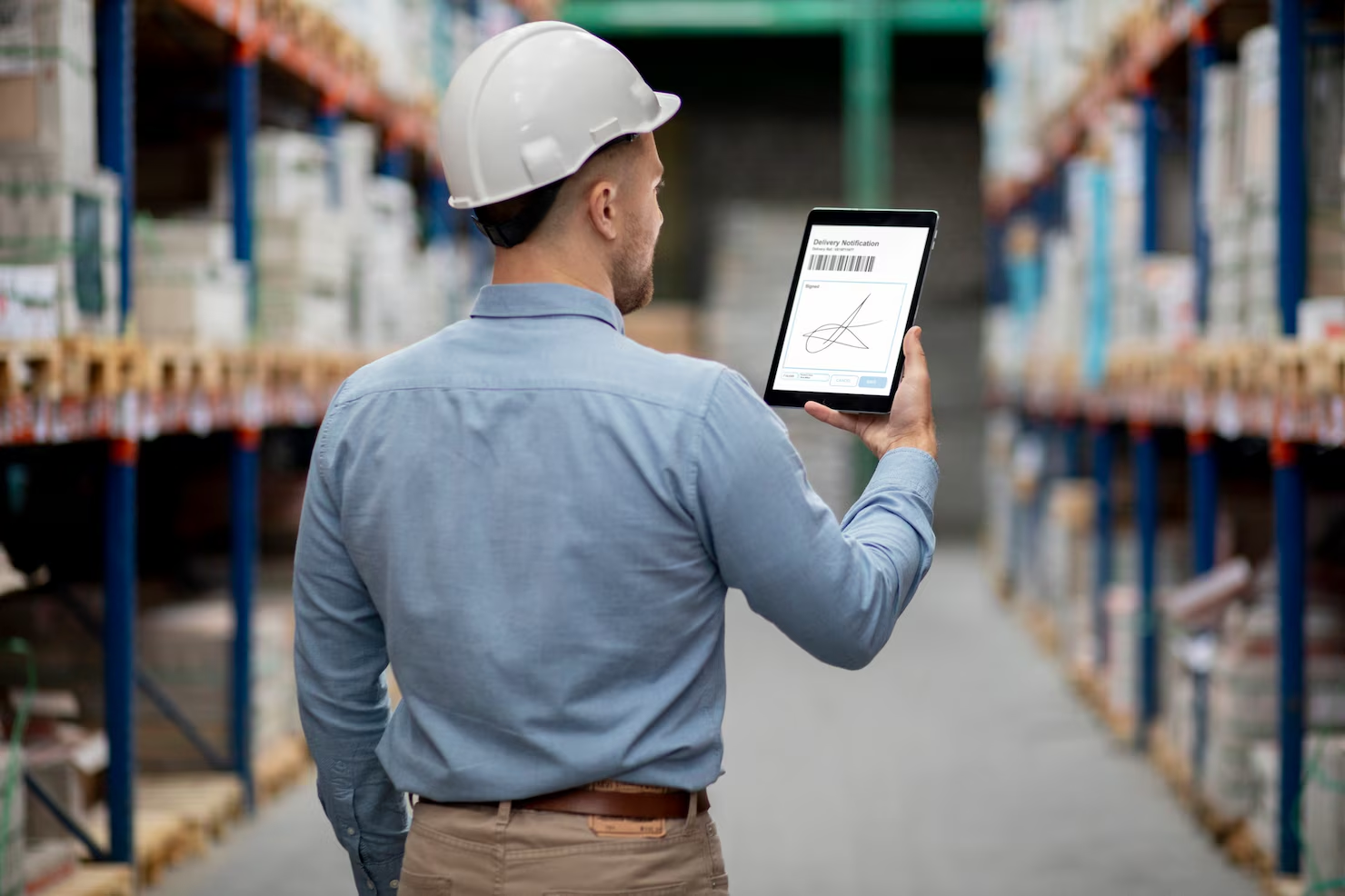
This is why real-time freight visibility and predictive tracking are now central to modern supply chain strategy.
Visibility today is not just about knowing where a truck is. It’s about:
- Anticipating delays before they happen
- Rerouting freight proactively
- Coordinating warehouses, stores, and production schedules
- Improving customer communication and trust
For logistics providers, this means investing in integrated transportation management systems, carrier connectivity, and data-driven operations.
For shippers, it means choosing partners who can provide control, transparency, and accountability. Not just transportation.
The companies that master visibility will:
- Reduce inventory buffers
- Improve on-time delivery performance
- Lower emergency shipping costs
- Strengthen customer relationships
In the modern logistics world, if you can’t see it, you can’t manage it.